A familiar environment
Shared living and dining spaces can feel more like a household than a large senior-living campus.
 Start with a human advisor
Care type
Explore board-and-care and residential care homes, including staffing, licensing, costs, and how a smaller setting can shape daily life.
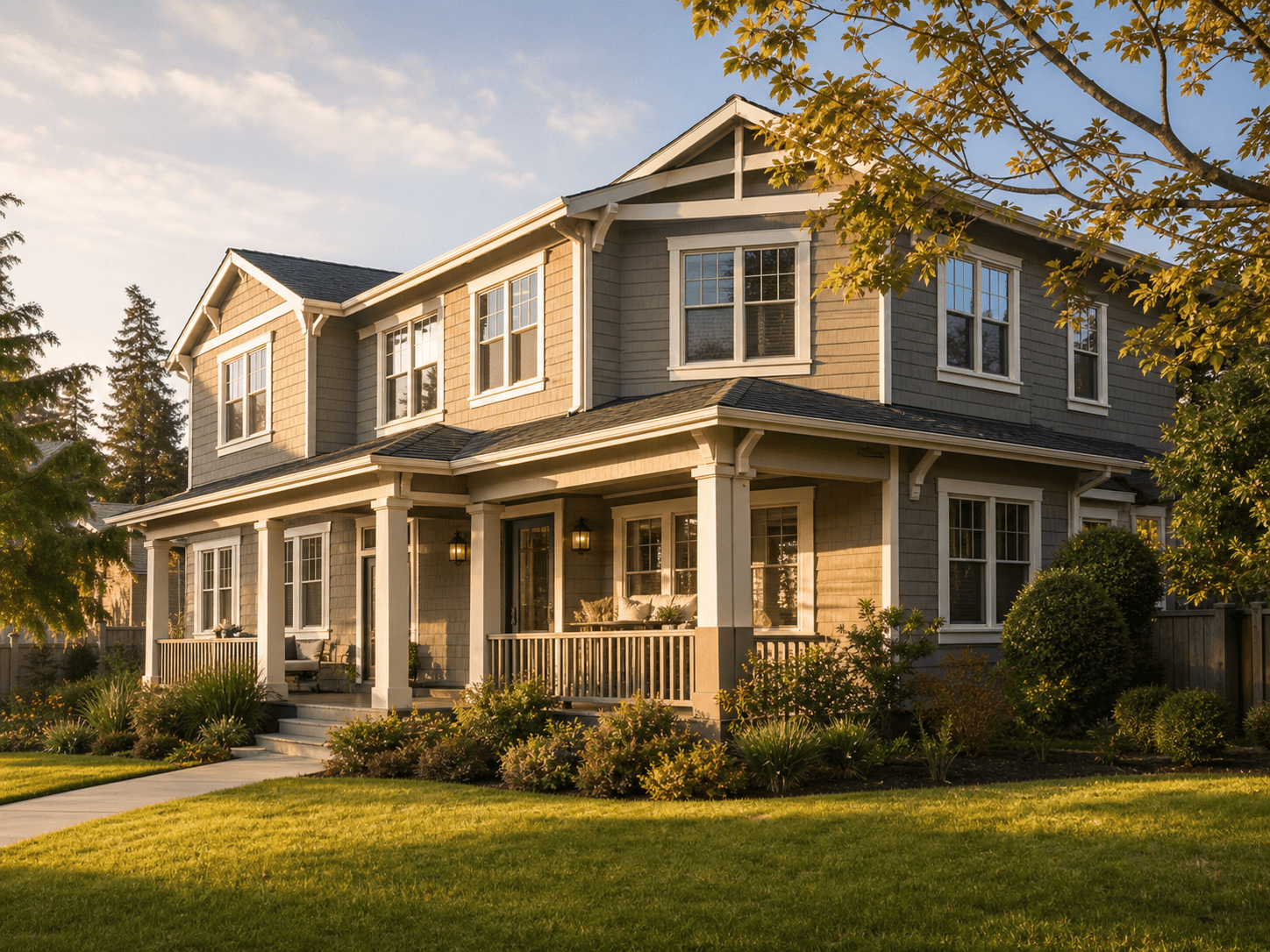
The starting point
Residential care homes—sometimes called board-and-care homes—provide personal care, meals, supervision, and housing in a smaller residential setting. In California, many serve six or fewer residents, though models vary.
The scale can create familiarity and consistent routines. It can also mean fewer amenities, less scheduled programming, and greater dependence on the specific owner, administrator, and care team.
What to know
Shared living and dining spaces can feel more like a household than a large senior-living campus.
Fewer residents may allow staff to know routines, preferences, and changes more closely.
Some residents thrive with less stimulation and a small-group routine centered on the home.
A residential care home may suit someone who needs personal care and supervision but prefers a smaller environment or does not use the amenities of a larger community.
Review licensing, administrator experience, staffing by shift, awake-night coverage, caregiver training, emergency plans, medication support, and how outside clinical services are coordinated.
Ask who owns the home, who is present day to day, and what happens when a caregiver is sick or a resident’s needs increase.
Observe meal routines, shared spaces, resident interaction, noise, outdoor access, privacy, and transportation. Ask how activities are adapted to individual interests rather than expecting a large calendar.
Because each home has a distinct culture, visiting and speaking directly with the administrator is especially important.
A clear next step
Evaluate the people and operating practices as carefully as the house itself.
Confirm current needs, nighttime support, mobility assistance, memory needs, and conditions the home cannot accept.
Ask about staffing, backup coverage, licensing, training, communication, emergencies, and owner involvement.
Return at a different time to understand the household rhythm, resident experience, and consistency of care.

EverTree made a difficult time so much easier. Our advisor truly listened and helped our family focus on what mattered.— Lisa M., San Mateo

In California, residential care facilities for the elderly are licensed. Families should verify current license and inspection information.
Some support residents with dementia, but capability, staffing, secure features, and waiver requirements vary. Ask detailed scenario questions.
Many homes offer private and shared rooms, subject to availability. Compare privacy, bathroom access, storage, and room-specific pricing.
Residential care homes may be more or less expensive depending on location, room, care level, staffing, and included services. Compare written total estimates.